If you have scheduled a facelift surgery, your path to feeling confident about your outcome includes careful planning and patience during recovery. At Long Island Facelift, our surgical team wants you to rest as comfortably and safely as possible while healing after your procedure.
One question patients often ask is, “When can I sleep on my side after a facelift?” The answer is not always simple since it depends on your body’s healing process and the details of your surgery. In this article, we break down everything you need to know about recovering from a facelift and resuming side sleeping, so you feel fully prepared for what’s ahead.
Key Takeaways
The Real Reason Your Sleeping Position Matters
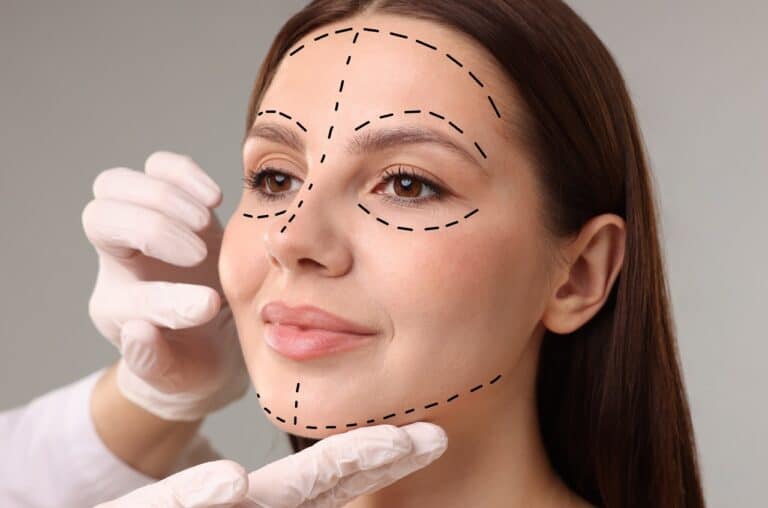
Facelift surgery involves precise work on the delicate tissues of your face and neck. After surgery, your skin, muscles, and connective tissues need time to heal together in their new positions.
The Effects of Sleeping Position on Healing
Sleeping flat or on your side too soon after surgery places direct pressure on the healing areas. This can cause extra swelling or move tissues that have just been placed in new positions.
Lying with the face pressed against a pillow, even for a short period, can stretch the incision lines. Our surgical team always recommends that patients protect their investment by taking extra care with how they sleep.
Benefits of Elevating Your Head After Surgery
Recovering patients find that sleeping with their head elevated, such as on pillows or in a recliner, can:
- Minimize swelling
- Reduce pressure on incisions
- Encourage fluid drainage away from the face
Maintaining this posture consistently helps patients feel more comfortable and safeguards their results. Changing sleep positions before your surgeon says it’s safe can undo much of this progress.
Timeline for Sleeping on Your Side After a Facelift
Every recovery follows its own path, though most patients follow similar timelines.
The general timeframe for resuming side sleeping depends on tissue healing and fluid reduction. The duration of these position restrictions often varies across different facelift types, as deeper structural manipulations naturally require a more conservative healing timeline than less invasive skin lifts.
Typical Recovery Milestones
- First Week: You should keep your head elevated at all times. Lying on your side or stomach is not recommended.
- First 2 Weeks: Swelling and bruising remain, so you must continue sleeping on your back with extra pillows for support.
- Weeks 3–4: Many patients see less swelling by now, but most should still avoid side sleeping unless cleared by a doctor.
- After 4 Weeks: At this point, our surgeon will evaluate your healing and may allow you to try gentle side sleeping with extra caution.
Most patients wait at least 2 to 4 weeks before side sleeping, though some require more time. Your unique recovery always comes first.
Factors That Affect the Timeline
- Extent of your facelift procedure
- Individual healing speed and skin type
- How well the incisions are closing
If you smoke or have health problems that affect healing, you may need to wait longer before returning to side sleeping.
Risks of Returning to Side Sleeping Too Soon
The pressure and movement that occur when sleeping on your side may seem small, but they can have a big impact on your facelift results. At Long Island Facelift, our team wants you to know about the most important risks.
Risks of Premature Sidesleeping
- Increased Swelling: Lying on your side can push fluid back into facial tissues, increasing swelling that prolongs recovery and causes discomfort.
- Poor Incision Healing: Pressure can cause incisions to stretch or separate, which may lead to visible facelift scars or the need for more procedures.
- Asymmetry: Gentle tissue movement can put uneven pressure on one side of the face. This alters results and may make symmetry harder to achieve.
- Prolonged Bruising: Blood can pool in pressured areas, causing bruises to last longer or become darker.
- Infection Risk: Disrupting wounds may let bacteria enter incisions and increase your risk of infection.
Our head plastic surgeon strongly advises that you only resume side sleeping when instructed during your follow-up visits to avoid these complications.
How to Sleep Safely and Comfortably
Our team understands that many people prefer sleeping on their side. Adjusting your sleep position may feel challenging at first, but the right steps can set you up for a smooth recovery.
Tips to Make Recovery Easier
Remaining on your back while you heal supports the delicate tissues that have been adjusted. To improve comfort and help you stay put overnight, consider the following suggestions:
- Use Pillows for Support: Place one or two pillows beneath your knees to encourage you to remain on your back. Tuck pillows along each side of your body so you feel snug and secure.
- Sleep in a Recliner: A recliner, set at a comfortable angle, can prevent turning over and make it easier to get in and out of bed without straining.
- Choose the Right Head Pillow: Select a pillow that supports the natural curve of your neck. Pillows that are too soft or flat may let your head tilt to the side.
- Prep Your Sleeping Space: Make your bed inviting and keep extra pillows nearby in case you shift in your sleep. Wearing a light headband or wrap can remind you to avoid side movement.
- Practice Before Surgery: Try to sleep on your back in the weeks leading up to surgery. Getting used to this new position ahead of time makes the transition easier once you begin recovering.
Incorporating these habits while you heal can protect your results, minimize discomfort, and give you a greater sense of control over the process.
Signs It May Be Safe to Resume Side Sleeping
Your desire to get back to normal routines, including preferred sleep positions, is understandable. Knowing when it is truly safe depends on several clear signs that your body has healed enough.
Our surgeon at Long Island Facelift watches for specific markers during your post-op visits.
Common Signs Healing Has Progressed
- Most, if not all, bruising and swelling have resolved
- Incision lines have sealed and no longer appear red or raised
- You feel little to no discomfort when changing positions in bed
- Our team has provided a clear “yes” to your question at your follow-up appointment
Remember that seeing one or two signs does not always mean you can return to side sleeping. Only your surgeon can give you a safe go-ahead based on your full recovery.
Questions to Ask at Your Follow-Up Appointments
Your follow-up visits give you a chance to ask your surgeon questions about safe recovery. At Long Island Facelift, we believe clear communication helps prevent setbacks and enhances your peace of mind.
Essential Topics to Discuss
Try asking about the following points during your recovery:
- What signs should I look for before going back to sleeping on my side?
- Is swelling or bruising a concern at this stage?
- Do my incisions look ready from your perspective?
- Will side sleeping affect the results of my facelift? Having honest conversations with our doctor builds trust and enables our team to guide you confidently through each phase of facelift recovery.
If You Accidentally Sleep on Your Side
Waking up and discovering you have rolled onto your side can be alarming, yet it happens to many patients. One accidental night is usually not a cause for panic, though prompt action does help protect your recovery.
First, gently reposition yourself onto your back as soon as you realize. Check in the mirror for new or increased swelling and look at your incisions for signs of tugging or bleeding.
If you notice dramatic changes in swelling, pain, or visible injury, reach out to our surgical team for advice. Most of the time, there will be no major setback from one short period of side sleeping as long as you return to safe positioning right away.
Long-Term Habits for Sleeping After a Facelift
While the strict rules around sleep position do not last forever, patients who choose to sleep on their back for the long term often report fewer facial lines and less asymmetry with aging.
Our surgeon recommends considering small, lasting changes if you love your results and want your skin to remain smooth and even.
Benefits of Long-Term Back Sleeping
- Prevents fluid retention in delicate facial skin
- Reduces risk of compressing delicate tissue or distorting results
- Keeps incisions smooth and less visible over months and years
Choosing the right sleep position is just one way to support lasting results from your procedure.
When to Call Your Surgeon for Help
Side effects during recovery can bring up questions or concerns. Although most changes with recovery are normal, some signs need prompt communication with our surgical team.
Warning Signs That Require Attention
- Sudden increase in swelling or hardening around the incisions
- Areas of redness, warmth, or drainage at the incision sites
- Bleeding, severe pain, or changes in facial shape
- Persistent discomfort after resuming side sleeping
If any of these issues develop, reach out to the Long Island Facelift office promptly. Our team is committed to guiding you through any setbacks and supporting a smooth recovery.
Planning for Your Facelift Recovery at Long Island Facelift
Preparing for the post-surgery period makes a difference in your comfort and final results. Our staff takes pride in guiding each patient through every step.
At your initial consultation, our surgeon explains recovery, including restrictions on sleep positions. After surgery, we provide you with detailed instructions tailored to your individual needs and are always available to answer facelift questions along the way.
Our goal is to make sure your healing process feels manageable and that you leave our practice with confidence in your results.

Safe Return to Side Sleeping
Trusting your surgeon’s guidance about returning to side sleeping after a facelift helps ensure a smooth recovery and the natural look you desire. By following recommendations, watching for signs of healing, and asking questions if you are ever unsure, you protect the investment you have made in yourself.
Most patients find that temporary changes in sleep position create lasting benefits. Taking care of yourself through the early weeks helps you enjoy your results for years to come.
Our team at Long Island Facelift stands ready to support you through your recovery journey. If you have questions about your facelift healing process or wish to schedule a consultation, please reach out. We look forward to helping you feel happy and comfortable every step of the way.