A glowing, refreshed appearance can often make someone look noticeably different, particularly when the results are both natural and subtle. Friends may wonder about the reason behind a smoother face, tighter jawline, or changes that seem to defy the effects of aging.
At the Long Island Facelift, we frequently meet patients who want to understand what to look for when trying to spot signs of a facelift. By learning to recognize these indicators, you can better understand what this surgery can achieve and how to notice its effects.
Key Takeaways
How a Facelift Alters the Face
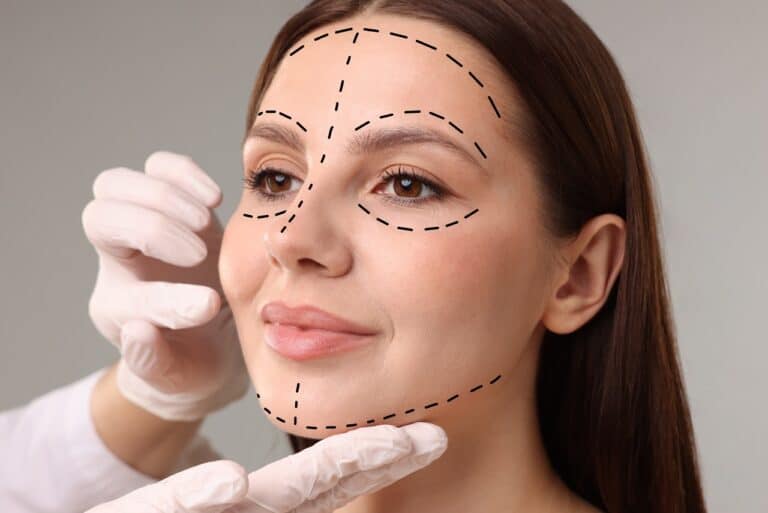
A rhytidectomy adjusts and lifts underlying tissues for a firmer facial appearance. Depending on the different types of facelift selected for your anatomy, the goal is always to create a rested and confident look by smoothing lines and repositioning the skin naturally.
Primary Facelift Results and Transformations
Our surgeon removes excess skin, tightens muscle and connective tissue, and restores definition in the cheeks and jaw. Incisions usually stay within the hairline or around the ears.
Patients often notice the following changes:
- The jawline appears sharper, with less visible jowling.
- Wrinkles and loose skin along the lower face look less prominent.
- Hollow areas in the cheeks regain some fullness, which can soften folds.
Most well-performed facelifts do not drastically change a person’s features. Instead, they help patients look more like their best selves from years past.
Goals of a Modern Facelift
At our Long Island office, our doctor aims to deliver improvements while preserving natural movement and unique characteristics. The surgery lifts and supports the tissues of the lower face and neck, rather than pulling skin unnaturally tight.
Our team believes that good communication and planning ensure that patients enjoy realistic, graceful outcomes. A thoughtful approach makes the results harder to spot unless you know exactly what to look for.
Most Common Signs of a Facelift
People sometimes want to understand what visual clues may signal that someone has had this type of surgery. While results can look very natural, several telltale signs sometimes appear.
Signs That Someone May Have Had a Facelift
Review this list of potential indicators before concluding. These are not guaranteed, but they might point to surgical changes:
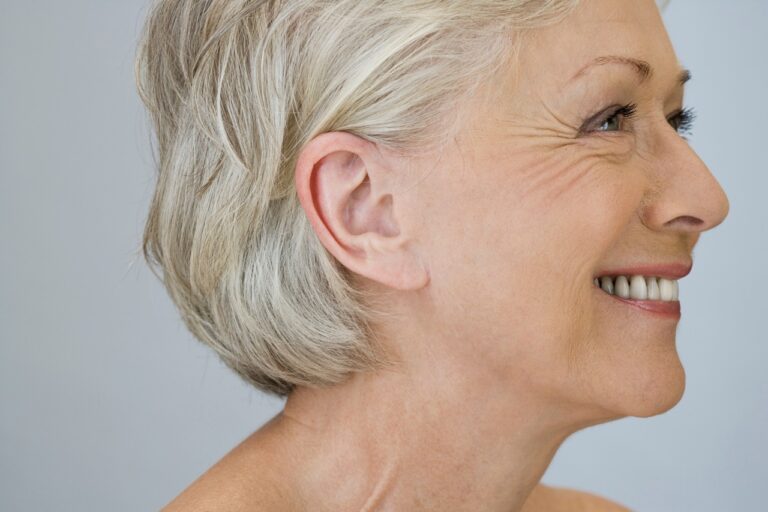
- Scar Placement: Look for faint scars or slightly lighter skin in front of or behind the ears, within the hairline, or along the earlobe. Well-placed scars are hard to spot, but close inspection may reveal them.
- Ear and Earlobe Changes: The earlobes may appear attached or look stretched. Facelift procedures can sometimes alter the earlobe’s position or contour.
- Tight Throat Skin: Excess firmness or tightness around the neck and jaw can suggest lifting of tissues. The neck may seem smoother than the person’s age would predict.
- Upward Pull of Facial Features: The corners of the mouth, lower cheeks, and jawline sometimes display an upward sweep. This occurs if tissues shift slightly higher after surgery.
- Minimal Wrinkles in Lower Face: Compare the forehead’s wrinkles to those in the lower face and neck. A clear difference could mean surgical correction.
- Reduced Jowls or Sagging: A sharp improvement in an otherwise aging face may suggest a facelift, especially when combined with firm cheeks or jawline.
Though these signs may stand out in some cases, facelifts performed by skilled surgeons create far more subtle changes. Some people exhibit only one or two of these traits. Always consider that genetics or non-surgical treatments might also influence how someone looks.
Scar Locations and What to Look For
Facelift scars are a concern for many people interested in this procedure. Well-hidden scars often fade significantly and may even become unnoticeable.
Where Facelift Scars Usually Hide
Our surgical team places incisions in naturally concealed areas to minimize visibility. For individuals undergoing a short scar facelift, these lines are even more minimal, typically tracing only the front of the ear and omitting the extension behind the ear lobe or into the posterior hairline entirely.
Short hair or styling that exposes the ears can reveal small, pale, flat lines:
- Scars may appear slightly lighter or smoother than the surrounding skin.
- Close inspection in strong lighting helps reveal these lines.
- Hair regrowth, makeup, or hairstyle changes often hide scars even further.
Scarring Over Time
Facelift scars often turn pink early on, then gradually lighten over the next year. Our doctor instructs patients on proper aftercare, sunlight protection, and massage to further improve healing.
A healthy scar following a facelift is thin, soft, and typically hard to detect in everyday conversation.
Facial Expressions and Movement After Facelift Surgery
Some people fear that facial surgery will make smiles or other expressions look unnatural. Modern techniques focus on restoring firmness while allowing free movement.
How a Facelift Affects Facial Expression
Patients may experience some temporary tightness, swelling, or minor stiffness in the first few weeks after surgery. Most of this resolves as tissues settle and nerves heal.
After the initial healing phase, people usually regain full expression with minimal restriction. Our Long Island practice uses approaches that protect key muscles and nerves wherever possible.
Early Signs in Expression
In rare cases, people display slightly limited movement, such as:
- A less animated lower face or mouth during speech.
- Slight hesitation or tension when smiling widely.
- Very mild asymmetry, especially during early recovery.
Our doctor monitors these changes during follow-up visits and provides reassurance about expected timelines. By three to six months, nearly all patients show completely free movement.
Comparing Natural Results to Overdone Facelifts
Most outstanding facelifts share the common feature of subtlety. Patients want to look better, not different. In contrast, certain signs can reveal when surgery has been overly aggressive.
Signs of Overdone or Unnatural Facelifts
Spotting a too-tight or exaggerated facelift is possible when the following are present:
- Overly Taut Skin: The skin looks shiny, pulled, or unnaturally stretched across the cheeks and jaw.
- ‘Wind Tunnel’ Effect: Features appear frozen or swept tightly back, sometimes with distortion near the hairline.
- Loss of Individual Features: The face no longer matches old photos, or previously distinct smile lines disappear.
- Uneven Hairline: Hair loss, high hairlines, or changes along the temple can signal an old-fashioned or poorly planned procedure.
Our surgeon at the Long Island Facelift specializes in natural-looking results by carefully assessing each patient’s anatomy and goals. Seeking experienced care reduces the risk of these telltale surgical “giveaways.”
Healing Timeline and How Long Signs Can Persist
People often wonder how long any visible signs will last after a facelift. While many changes settle quickly, complete healing requires patience.
What to Expect in the Days and Weeks after Surgery
Our surgical team explains that visible bruising and swelling usually peak within the first week. These symptoms begin to fade within two to three weeks.
Discomfort, stiffness, and changes in sensation can continue as tissues adjust. Most scars become much less noticeable within three to six months.
Factors that Influence Healing
Everyone heals differently, and several factors affect the duration and appearance of any lingering signs. These include:
- Age and general health.
- Skin thickness and natural pigmentation.
- How well the person follows aftercare instructions.
Our doctor provides specific recovery tips to help minimize both short-term and long-term signs of surgery.
Neck and Earlobe Changes as Clues
Earlobes and the neck can offer subtle hints that someone has had a facelift. These areas often require special attention during surgery for natural results.
What to Check Around the Neck
The skin and underlying muscles of the neck are often lifted as part of the procedure. One of our goals is to smooth out loose folds under the chin and along the jaw.
The neck may appear firmer and tighter than expected for someone’s age, especially if there is little loose skin or fat. Some patients develop a sharper angle between the chin and neck, which can look unnatural if too much tissue is pulled.
Earlobe Differences after Facelift
Earlobe position and attachment may change after surgery, sometimes appearing flatter, longer, or more tightly connected to the face. Our surgeon takes steps to preserve the natural contours of the earlobe, yet this remains an anatomical area worth inspecting if you are searching for clues.
Why It Can Be Difficult to Tell
Spotting a facelift is not always easy, especially when performed by a skilled provider. There are several reasons why facelifts today are harder to recognize than procedures from past decades.
Advances in Technique and Individualized Approaches
Modern facelift surgery focuses on muscle and deep tissue repositioning, moving far beyond the tight, superficial pulling seen with an old-fashioned skin-only facelift. Our surgical team customizes every procedure to the patient’s specific needs and underlying facial architecture to ensure long-lasting results.
Patients benefit from smaller incisions, improved scar placement, and advanced suture techniques that help preserve the natural hairline and ear position. By revisiting each person’s photographs from years earlier, our doctor can plan subtle changes and avoid an “operated” look.
Many patients combine facelifts with other methods, like fillers or skin resurfacing, to further disguise any visible evidence of surgery. This approach blends the benefits and makes any single sign less obvious.
Additional Clues that Might Suggest Facial Surgery
While facelifts leave many subtle signs, some indirect factors may also point toward recent surgery.
Social and Behavioral Indicators
You may notice some lifestyle changes that hint at a recovery from a facelift. For instance, a person might temporarily avoid social gatherings, wear scarves or hats, or change their hairstyle to cover incision locations.
Another clue comes from avoiding strong sunshine or using more sun protection. This reflects the fact that fresh scars should not be exposed to ultraviolet light.
Some patients are open about their experience, while others prefer privacy. Avoid making assumptions based solely on behavior, since personal reasons can drive style and social habits.
Is It Appropriate to Ask If Someone Has Had a Facelift?
People may feel curious about a friend or acquaintance’s refreshed appearance. However, the decision to share details about facial surgery is very personal.
Respecting Privacy and Encouraging Openness
Manners and sensitivity are important, especially when discussing medical procedures. At our Long Island office, we encourage open conversations in a supportive setting, but we also respect each patient’s choice to share or not to share information.
If someone seems open and interested, you can gently ask about their experience or results. Otherwise, consider keeping your observations to yourself and simply congratulate them on looking well.
When to Consider a Facelift for Yourself
Recognizing the signs in others can help you decide if a facelift may suit your needs. Patients often report improved confidence and satisfaction with their facial appearance after surgery.
The best way to find out if you might benefit is to schedule a one-on-one consultation with a trusted provider. Our surgical team can evaluate your goals, map out the total cost of facelift surgery, and explain likely results while providing honest insight about your recovery timeline.
What Distinguishes a Great Facelift from an Obvious One
Subtlety, technical skill, and a tailored approach make facelifts stand out, especially those performed at practices with extensive experience like ours.
Features of a Top-Quality Facelift
- Incisions stay hidden within natural creases and hairlines.
- The skin feels soft, not tense, and facial contours remain smooth but not sharp.
- Scars are hard to spot and heal flat without irregularity.
- The cheeks, jawline, and neck regain definition while keeping natural facial movement.
A strong working relationship with your surgeon means your goals, anatomy, and lifestyle stay at the center of any surgical plan.
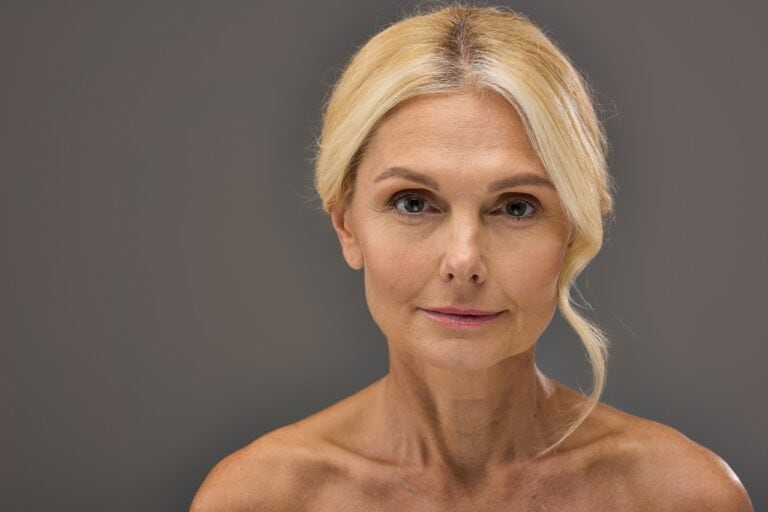
The Subtle Art of Noticing Facelift Signs
Learning to spot the signs of a facelift means understanding both the capabilities and the limits of this surgery. Some patients want dramatic results, while most prefer a “just right” balance between refreshed and natural.
Changes along the jawline, smooth scars near the ears, or a more defined neck often point to prior surgery. Still, modern techniques and careful planning at the Long Island Facelift often make these signs difficult to detect without close inspection.
If you want to find out what a facelift could do for you, or if you have more questions about identifying the signs, our team can help. Contact the Long Island Facelift to schedule a personal consultation. We look forward to answering your questions and guiding you on your journey to renewed confidence.