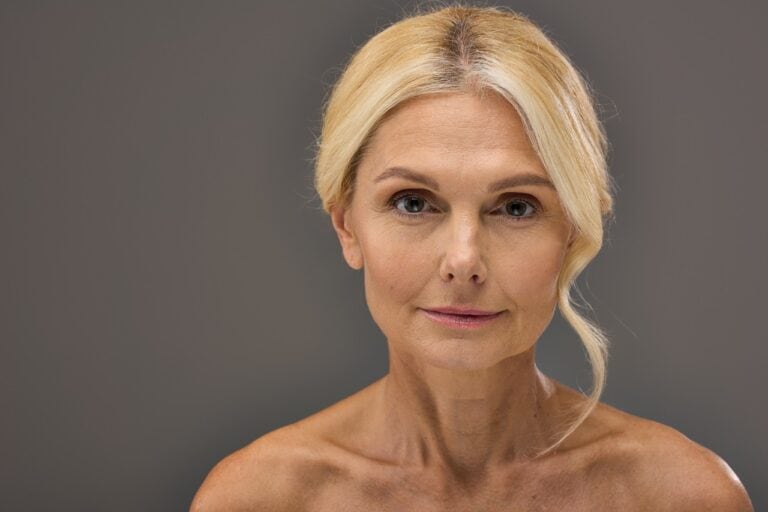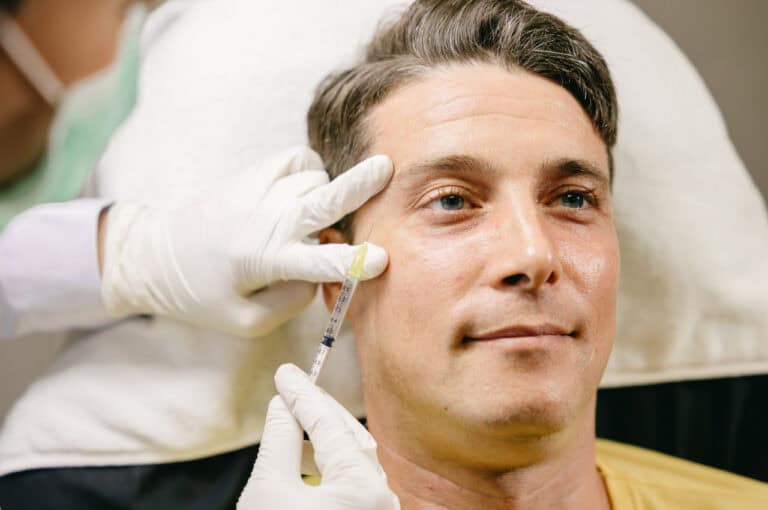
Are you starting to notice loose skin or deepened lines around your face and wondering which type of cosmetic surgery might help? At Long Island Facelift, people often ask our surgeon about the differences between a mini facelift and a traditional facelift.
Choosing the right facial procedure can help you meet your goals and feel more confident. Our team explains the similarities and differences, so you have all the information you need before making your decision.
Let’s look at what sets each procedure apart, what you can expect, and how to best prepare for a more refreshed appearance.
Key Takeaways

Comparing Mini Facelifts and Traditional Facelifts
Mini facelifts and traditional facelifts share some similarities, as both procedures focus on addressing skin laxity and sagging tissue on the face. However, each method serves a different purpose and uses a unique surgical approach.
Differences in Surgical Focus
A mini facelift addresses mild to moderate sagging along the jawline and lower cheeks. The procedure uses smaller incisions, which limits how many changes our surgeon can make but also means a quicker and easier recovery for you.
A traditional facelift, on the other hand, treats more extensive sagging around the mid-face, jawline, and neck. This method involves longer incisions around the ear and often under the chin, which lets our surgeon lift and reposition a larger amount of tissue and muscle for more dramatic results.
Key Overlaps
Both surgeries aim to tighten skin, redefine your jawline, and improve facial contours. You remain awake or lightly sedated, and both options use safe anesthesia practices at our accredited Long Island facility. The two procedures also avoid changing bone structure, which preserves your natural facial appearance.
Procedure Details: What to Expect
When evaluating the different types of facelift procedures that may fit your needs, many people want a clear description of what happens before, during, and after each procedure at our practice.
Steps for Each Procedure
You will first meet with our surgical team to discuss your goals and review your medical history. Our surgeon will examine your facial structure and explain the process.
During a mini facelift, we make a short incision that begins at the hairline, curving around the front of the ear. Through this entry point, the surgeon tightens underlying tissues and removes small amounts of extra skin.
A traditional facelift starts with a longer incision, continuing from the hairline above the ear and extending behind the ear toward the lower scalp. At this stage, our team lifts deeper facial tissue, smooths the skin, and may also address sagging in the neck area.
Anesthesia and Setting
Most mini facelifts use local anesthesia with oral sedation, which helps you relax and reduces risks linked to general anesthesia. Our doctor performs both types of procedures in our accredited surgical suite, where safety and comfort stay our top priorities.
Recovery Overview
Mini facelift patients usually return home within hours and often get back to most activities after about 7 days. Traditional facelift recovery takes longer, which often lasts around 14 days before swelling and bruising improve enough for public activities.
Both surgeries require you to rest with your head elevated and follow gentle wound-care instructions from our team.
Indications and Candidacy
The best way to know which surgery will offer the greatest improvement is to look at your unique characteristics and goals.
Ideal Candidates for a Mini Facelift
A mini facelift is ideal for patients with moderate skin laxity and good skin tone, especially if you notice jowling or early sagging around the jaw.
Most mini facelift patients are in their 40s or 50s, in good health, and want subtle changes rather than a dramatic transformation.
Ideal Candidates for a Traditional Facelift
Traditional facelift patients often display moderate to severe skin sagging on the mid- to lower-face and neck.
This surgery works well for people between their late 40s and 70s who want a more substantial improvement in facial contours and feel ready for the commitment of a longer recovery.
Our surgeon always considers your health history and medications when advising you, as certain illnesses, lifestyle factors, or habits like smoking might affect your candidacy.

Mini Facelift and Facelift: Main Benefits and Drawbacks
We know you want to understand the advantages and limitations of each option. This section will help you compare them side by side.
Mini Facelift
- Shorter procedure time: The surgery usually takes about 1.5 to 2 hours, which means less time in the operating suite.
- Quick recovery: Most patients can return to work and social activities within 7 days.
- Minimal scarring: Shorter incisions leave smaller, less noticeable scars hidden along natural skin creases.
- Subtle improvement: Results are more modest, focusing on the jawline with less change to the neck or cheeks.
- Not for advanced aging: This approach will not give enough correction for significant sagging or heavy wrinkles.
Traditional Facelift
- Longer-lasting results: Full facelifts keep you looking more youthful for 7 to 10 years on average.
- Comprehensive facial improvements: The surgery smooths the cheeks, mid-face, jowls, and neck, which offers a complete lift.
- Longer incisions: The surgery creates more visible scars, although these usually fade over time and are placed to stay hidden by hair and natural contours.
- Longer recovery: Recovery often requires up to 14 days before normal activities resume.
- Higher cost: Full facelifts involve more time in surgery, which results in higher fees than a mini facelift.
Each approach offers benefits and trade-offs, so it is helpful to discuss your goals with our team before moving forward.
Longevity and Maintenance
People often wonder how long their results will last and what they can do to maintain them after surgery.
Both mini and traditional facelifts can provide long-term facial tightening and contour improvement. However, the amount of improvement and how long it lasts depends on your skin type, age, genetics, and lifestyle.
Mini facelift outcomes can last from 3 to 6 years, while traditional facelift results remain visible for 7 to 10 years before normal aging takes over again.
Taking good care of your skin, staying healthy, and using sun protection can help your results last as long as possible. If you start to notice subtle sagging returning, small touch-up treatments or non-surgical procedures (such as fillers or laser therapy) can maintain the look you love.
Surgical Risks and Safety
At Long Island Facelift, your safety comes first. Every surgery carries some risk, but our surgeon takes careful steps to minimize those risks before, during, and after your procedure.
Common Risks of Both Procedures
You may experience some swelling, bruising, minor discomfort, or numbness after either type of facelift.
Rare but possible risks include infection, bleeding, nerve injury, slow healing, or temporary hair loss along the incision lines. Our doctor reviews these risks with you at your consultation.
Mini facelifts tend to involve a slightly lower risk profile than traditional facelifts because of their less invasive techniques and shorter operating times.
Steps We Take for Safety
Our surgical suite uses the highest safety standards and modern anesthesia protocols to reduce complications. We provide detailed pre-surgery screenings to rule out any conditions that might add extra risk. Our team remains available by phone after your procedure to answer any questions or concerns you have at home.
Choosing an experienced, board-certified surgeon reduces the chances of problems and gives you the confidence that you are always in the best hands.
Recovery, Downtime, and Aftercare
Facial surgery requires time to heal and some adjustments to your normal routine. You may want to compare the recovery process between a mini facelift and a traditional facelift.
What Recovery Looks Like
Mini facelift patients typically go home the same day and spend the first 2 to 3 days resting with their head elevated.
Bruising and swelling peak at around 2 days, then fade within a week, letting you return to work and public activities by day 7. Makeup can usually cover any remaining bruising from the end of the first week onward.
Traditional facelift recovery involves a bit more swelling, bruising, and tightness. Most people feel comfortable in public by 14 days after the procedure.
Our team schedules follow-up visits during the first week and at about 14 days to track your healing and answer your questions. We provide clear aftercare instructions, including how to clean the incision sites, when to shower, how to manage any discomfort, and proven tips for minimizing facelift scars during recovery.
Returning to Activities
You should avoid vigorous exercise, heavy lifting, and direct sun exposure for at least 14 days after any facial surgery. Our doctor will clear you to return to full physical activity and sports once your swelling decreases and your incisions have healed.
Wearing a scarf, hat, or high-SPF sunscreen protects the area while your skin heals. Our team explains the timeline during your post-op visits.
Addressing Cost Differences
Cost plays a role in your decision and depends on many factors. You will notice a price difference between a mini facelift and a full facelift, and knowing what affects the cost can help you plan ahead.
Main Factors That Drive Cost
You can expect to pay less for a mini facelift than for a traditional facelift. This is because the mini approach uses less operating time, anesthesia, and surgical staff.
The complexity, length of surgery, use of advanced technology, and type of anesthesia all play a part in the total cost. Facility fees, anesthesia professional fees, and recovery supplies may appear on your itemized estimate.
Full facelifts often have a higher price because of increased operating time, longer incision management, and more aftercare visits.
Most insurance plans exclude cosmetic surgeries, so our office can help you review financing and payment options during your consultation.
Decision Making: Which is Right for You?
If you feel unsure about which surgery fits your goals, you are not alone. Our surgeon wants to guide you in matching your desired look with the procedure that offers the best results.
Key Points to Consider
- Severity of sagging: Choose a mini facelift when skin laxity is mild and you want subtle improvements, or pick a traditional facelift for deeper folds and neck sagging.
- Downtime: Mini facelifts allow you to return to work and social life faster than traditional facelifts.
- Budget: Mini facelifts can cost less, but full facelifts may offer greater value for people seeking long-term improvement.
- Desired results: If you want an all-over lift, especially along the neck or cheeks, a full facelift is likely the better option.
- Health and age: Your overall health, medications, and age play a role in which procedure our surgeon recommends.
Bringing photos of your goals or describing specific areas you want changed will help our team create a surgical plan that is tailored for you.
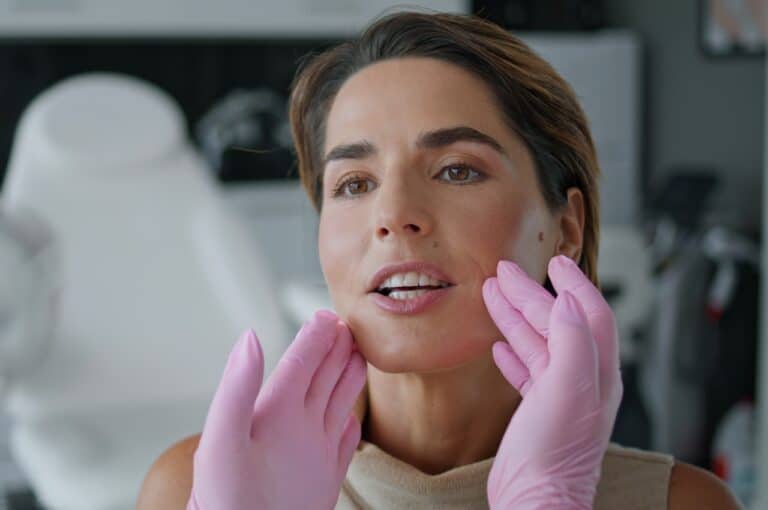
Frequently Asked Questions About Mini Facelifts and Facelifts
We hear many questions from patients trying to decide between these two facial surgeries, so below are answers to the most common topics.
Choosing the Right Surgery: What Comes Next
Facial surgery can truly change how you look and feel, but the choice between a mini facelift and a traditional facelift is very personal. Now that you know what sets these two procedures apart, you can make an informed decision that aligns with your goals and expectations.
At our Long Island office, our surgeon will discuss your wishes, examine your facial structure, and recommend the option that will help you look and feel refreshed. Whether you choose a mini facelift for quick, subtle improvements or a traditional facelift for longer-lasting, more visible change, you will always receive attentive care, honest advice, and expert results from our team.
If you would like to explore your options further, reach out to Long Island Facelift to schedule your consultation. Our surgeon will make sure you receive caring guidance every step of the way so you can move forward with confidence.