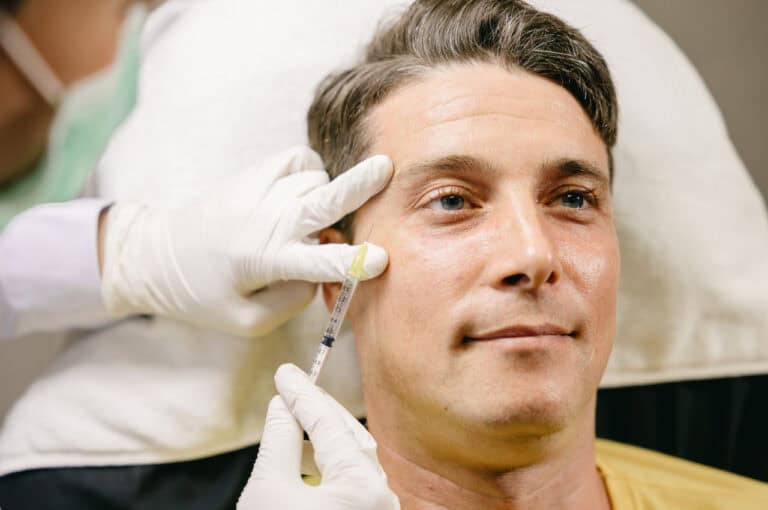
At Long Island Facelift, many people approach us with excellent questions about the facelift healing process. Each patient wants to know how long swelling or bruising might last, and when they can comfortably resume their daily life. Ensuring you have reliable information before surgery builds confidence and leads to a smoother experience.
Our team understands that any surgical recovery can feel uncertain, particularly for procedures that affect appearance. With the right preparation, the right expectations, and our guidance, hundreds of patients have achieved their goals with greater comfort during each stage of the journey. In this article, we cover what you need to know about facelift recovery time so you can prepare for a positive result.
Key Takeaways
What to Expect in the First 48 Hours
Recovery begins immediately after surgery, and the first two days set the tone for the rest of the process. Our surgeon carefully monitors your vital signs and comfort during this period, as your body responds to the procedure and anesthesia.
Normal Symptoms Right After Surgery
Most patients experience the following common symptoms within the first 48 hours:
- Swelling: Your face and neck usually feel tight or puffy, which is a normal part of the healing process.
- Bruising: Purple, blue, or even green patches can develop on the cheeks, jawline, or neck.
- Mild to moderate discomfort: Tenderness and pain, especially around the incision sites, are common but typically well-controlled with medication.
- Numbness: Temporary loss of sensation around the ears or jaw area may occur.
Symptoms usually peak within the first 48–72 hours before gradually subsiding. You should rest with your head elevated and avoid unnecessary movement during this time. At our Long Island office, we provide clear written instructions to help you feel secure during this early stage.
The Facelift Recovery Timeline: Week by Week
Facelift recovery proceeds in distinct phases, each marked by noticeable changes. Reviewing what to expect during each stage helps set realistic expectations and identify any concerns early.
Days 3–7: Visible Swelling and Bruising
Bruising remains visible, typically dark purple to blue in color. Swelling often starts to subside by day four or five, but your features may look somewhat distorted. Stitches and bandages usually stay in place during this period, and some patients notice a sense of tightness or stiffness when moving facial muscles.
Days 7–14: Stitches Removal and Initial Return to Routine
Stitches usually come out within eight to ten days after surgery. This milestone often brings a visible improvement in bruising and overall appearance. Many patients feel comfortable resuming light activities at home by the end of the second week. Some bruising and swelling usually persist, but makeup can often help conceal them if needed.
Weeks 2–4: Major Swelling Reduces
Swelling and discoloration continue to fade as your circulation improves. Incision lines may look pink or slightly raised. This period marks a significant turning point, as most daily tasks feel manageable and energy levels increase.
Weeks 4–6: Resuming Exercise and Social Activities
By week four, most swelling and bruising have subsided noticeably. Many people decide to return to public life and vigorous activities, including gentle sports or exercise. Incision lines become softer and less conspicuous but may remain visible up close.
Months 2–6: Maturation and Final Results
Incisions and facial contours continue refining for several months. Some minor sensation changes, such as residual numbness or tightness, can persist during this phase. The natural settling of tissues reveals the final outcome, and scars become flatter and lighter in color.
Understanding the timeline allows for better planning and reduces anxiety about the recovery experience.
Factors That Influence Facelift Recovery
Every patient’s healing timeframe is unique. Several factors work together to determine how quickly you feel and look your best after a facelift.
Surgical Technique and Extent
Different facelift techniques produce different degrees of swelling, bruising, and temporary numbness. For example, a limited or mini facelift usually involves fewer incisions and less tissue manipulation compared to a more extensive traditional facelift, so recovery is typically faster with less dramatic bruising.
Age and General Health
Younger adults with good overall health usually heal quickly, while underlying conditions such as diabetes or poor nutrition may slow the process. Lifestyle factors like smoking or heavy alcohol use can also increase risks and lengthen the healing period.
Post-Operative Care
Following your aftercare instructions strictly, keeping your head elevated, and minimizing physical exertion contribute to a smoother recovery. Small steps make a significant difference, and our surgeon at Long Island Facelift encourages patients to reach out with any questions to keep recovery on track.
Personal Healing Response
Some patients simply bruise more easily or have swelling that lingers. Genetics and immune function play a role, which is why our team creates customized care plans tailored to your specific needs.
Recognizing the wide range of variables improves your ability to set realistic expectations and respond proactively if any challenges arise.
Typical Facelift Recovery: What Patients Experience
Understanding the average recovery pathway builds confidence for anyone considering a facelift. Most patients at Long Island Facelift follow a similar pattern in the days and weeks following surgery.
The Emotional Impact
Physical healing is only part of the journey. Many patients feel impatient or frustrated while swelling and bruising remain visible. This is normal, and having realistic expectations about the process helps ease these feelings.
Receiving supportive check-ins from our team can make a noticeable difference in your emotional comfort.
Return to Work and Social Activities
Many people want to know when they can return to work, see friends, or attend events. As a guideline, you can expect to return to office-based work or non-strenuous activities within two weeks. If your job requires heavy lifting or strenuous exertion, waiting four to six weeks is often safer.
Social outings become comfortable after three weeks on average, though minor swelling or incision lines may still show up in bright lighting or close photographs.
Aftercare Tips for a Smoother Facelift Recovery
Proper aftercare supports the body’s natural healing and promotes comfort after surgery. Our surgeon provides detailed instructions, including specific steps to reduce swelling, speed up recovery, and minimize complications.
Must-Follow Recovery Steps
Patients should follow these aftercare principles to encourage the best possible outcome:
- Head Elevation: Keep your head and neck upright at all times, including while sleeping.
- Cold Compresses: Apply cold packs as directed in the first 72 hours to minimize swelling, without placing them directly on the skin.
- Gentle Cleansing: Clean incisions carefully, following instructions for any prescribed solutions or ointments.
- Healthy Diet and Hydration: Eat nutritious foods and drink plenty of water to support tissue repair.
- Medication Compliance: Take all medications, including antibiotics or pain relievers, exactly as prescribed.
- Avoid Smoking: Stay away from nicotine products to prevent delayed healing or increased complication risk.
- Light Activity: Walk around your home several times daily to keep blood circulating and reduce blood clot risk.
Following these daily habits helps protect your results while also reducing discomfort and inflammation.
Risks and Possible Complications After Facelift Surgery
Most facelift recoveries proceed smoothly, especially with expert surgical care and proper aftercare. However, all surgery carries some risks.
Signs to Watch For
While rare, the following issues may occur after facelift surgery:
- Infection: Redness, warmth, pus, or persistent fever can indicate a problem.
- Hematoma: Sudden swelling, pain, or bruising may signal a blood collection under the skin.
- Delayed Wound Healing: Some incision lines may heal slowly, creating tenderness or increased risk of scarring.
- Prolonged Numbness: Temporary changes in sensation usually resolve within a few months, but persistent numbness warrants evaluation.
If you experience any alarming symptoms, contact our office promptly so our surgeon can evaluate and assist you quickly. Attending all scheduled follow-up visits ensures rapid attention if there are any concerns.
Returning to Normal Life
Resuming daily activities after a facelift involves planning and patience. Adhering to guidelines protects both your appearance and your sense of well-being during the healing journey.
Safe Timelines for Activity
Most patients can:
- Return to desk work or remote employment within one to two weeks.
- Resume light exercise, such as walking, by week two.
- Start non-contact fitness routines, including stretching or cycling, after three to four weeks.
- Wait at least four to six weeks before engaging in strenuous exercise or heavy lifting.
Stay mindful of residual swelling or discomfort and adapt activities as needed. Makeup becomes easier to apply after the second week, once incision lines have closed and skin sensitivity diminishes. Use gentle products that contain no harsh fragrances or reactive ingredients.
Each step of rejoining your regular routine marks progress and helps reinforce positive feelings about the surgical experience.
What to Anticipate: Long-Term Healing and Final Results
Facelift recovery has a clear endpoint, yet minor changes can continue to evolve for many months. The body requires time to lay down new collagen, refine incision lines, and fully resolve swelling.
Scar Appearance and Sensation
Incision lines begin as pink, raised ridges and slowly flatten over six to twelve months. Scars soften and fade, blending in with surrounding skin. Tingling or mild itching is common as nerves regenerate, but these sensations usually disappear with time.
Subtle Refinements in Facial Contour
Facial contours look more natural as swelling and tightness resolve further. Most patients appreciate their full results after three to six months, with ongoing improvements in skin tone and texture.
Understanding this gradual progression prevents disappointment and highlights the long-term benefits of choosing a properly performed facelift.
Frequently Asked Questions: Facelift Recovery Realities
Over the years, our surgeons have answered countless patient questions during consultations at our Long Island Facelift office. Here are responses to some of the most common concerns.
How to Make Your Facelift Recovery Smoother
Setting yourself up for a smooth experience after a facelift begins well before the day of surgery. Our team provides a clear timeline for preparation and recovery, focused on comfort and confidence.
Pre-Operative Steps That Matter
We recommend resting well in the days before surgery, stocking your home with healthy foods, and arranging for help with household tasks or transportation. Having a dedicated support person can significantly ease the first 48 hours of healing.
Communication and Follow-Up
Staying in touch through scheduled visits and phone calls helps us address concerns as they arise. Open communication ensures we can adjust your care plan, recommend medications, or provide reassurance as needed.
These preparations and ongoing touchpoints help build trust while laying the groundwork for the best surgical outcome.

Setting Realistic Expectations for Facelift Recovery
Many people who visit our Long Island office want to know how their own experience will compare to others they have seen or read about. Facelift recovery is not a race, and each body heals a little differently depending on age, skin type, lifestyle, and other factors.
While the majority of swelling, bruising, and discomfort peaks in the first week, achieving a natural, improved appearance takes a few months. Recognizing that healing is a gradual process helps prevent frustration and encourages a more positive perspective during the journey.
Feeling prepared, informed, and supported makes all the difference. Our team values each patient’s individual path and partners closely with you for the safest and most satisfying recovery.
Planning for a Smooth Facelift Recovery
Understanding facelift recovery time empowers you to move forward with greater confidence and satisfaction. From the first hours after surgery through the months of healing, you now know what to expect, how to plan your return to work, and ways to enhance comfort.
At Long Island Facelift, we believe information and support are just as important as surgical skill. If you feel ready to take the next step, we invite you to reach out for a personal consultation. Our surgeon can answer additional questions, discuss your goals, provide a clear breakdown of facelift cost, and outline a recovery plan tailored for you.
Trust that your choice for surgical care and ongoing support will guide you toward a rewarding experience and the results you desire. Contact Long Island Facelift today to begin your journey to renewed confidence.